Follow the sequence
Conditions assessed across the country
The UN response plan reports dzud or near-dzud conditions across 266 soums, covering 81% of Mongolia. This is an assessment date, not the day the winter began.
Cumulative livestock losses reported
The State Emergency Commission reported 1.5 million livestock deaths as of 21 February, according to the UN’s 22 February release. This is a dated impact assessment, not a measurement of snow depth or the onset of a new storm.
Losses continue to accumulate
The plan reports a national livestock mortality rate of 8.1% as of this date, citing government monitoring. This cumulative impact measure is distinct from a weather observation.
Basis: United Nations Humanitarian Country Team in Mongolia, using NAMEM and Government of Mongolia assessments [1] · World Meteorological Organization [2] · United Nations in Mongolia, reporting the State Emergency Commission assessment [3]
Selected observations & analyses
These entries preserve the source’s reported quantities or analyses. They are not a newly processed observational dataset.
| Evidence | Reported value or finding | Provenance |
|---|---|---|
| Affected assessment area | 81% on 20 February | UN Humanitarian Country Team response plan, drawing on Mongolian national assessments; includes both dzud and near-dzud categories. |
| Different ground conditions | 58 soums with icy dzud; 139 with white dzud | The same February assessment distinguishes ice-related and heavy-snow conditions; these categories are not interchangeable snow depths. |
| Seasonal temperature context | Winter temperatures near long-term averages | WMO State of the Climate in Asia 2024 retrospective; precipitation was heavier than usual and snow/ice cover unusually persistent. |
The atmospheric mechanism
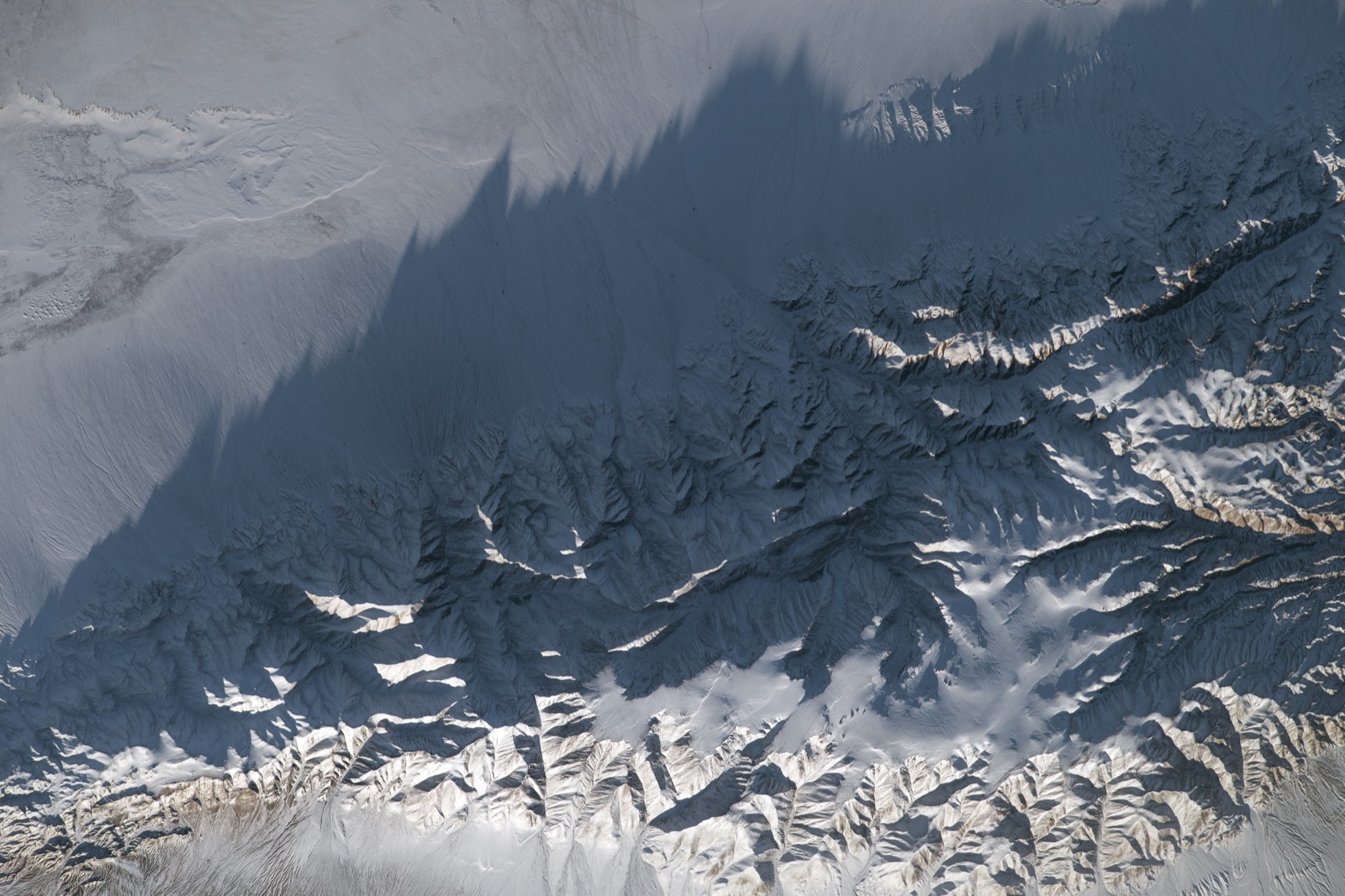
The UN account traces the winter’s setup through early-November snowfall, a subsequent thaw and later severe cold. Water that refreezes can form a barrier over pasture; deep or dense snow presents a different obstacle. These conditions can persist after the weather that created them has passed. WMO’s retrospective emphasizes excess precipitation and lasting snow and ice, despite a winter mean temperature close to the long-term average.
A seasonal mean compresses a sequence into one number. Two hypothetical winters could have the same mean temperature while one remains steadily cold and another repeatedly crosses freezing. Their ground conditions need not match. For this case, the useful questions are how much precipitation accumulated, what happened to it afterward, how long it remained, and whether animals could reach feed. A warmer interval can change the surface state without ending the hazard.
Basis: United Nations Humanitarian Country Team in Mongolia, using NAMEM and Government of Mongolia assessments [1] · World Meteorological Organization [2] · United Nations in Mongolia, reporting the State Emergency Commission assessment [3]
What the evidence does not establish
The case dates bound documented assessments within a much longer winter emergency; they are not its onset and recovery dates. National percentages describe classified areas, not identical conditions on every farm. Livestock losses reflect exposure, nutrition, access and resources as well as meteorology. An impact count cannot be used as a thermometer, and the cited reports do not isolate the contribution of each factor to each loss.
Read winter weather as a sequence of changing surface conditions. Track temperature, snow and ice together, and distinguish a measured weather variable from a risk category or accumulated impact.
Sources & provenance
- 2024 Dzud Response Plan United Nations Humanitarian Country Team in Mongolia, using NAMEM and Government of Mongolia assessments · 2024-03-25Reference only; original paraphrase; no source media reproduced.
- State of the Climate in Asia 2024 World Meteorological Organization · 2025-06Reference only; original paraphrase; no source media reproduced.
- Humanitarian Efforts Intensify as Mongolia Grapples with Dzud United Nations in Mongolia, reporting the State Emergency Commission assessment · 2024-02-22Reference only; original paraphrase; no source media reproduced.
Explanations and diagrams are original educational interpretations. Source institutions have not endorsed or reviewed this publication. How we distinguish evidence from models.