Follow the sequence
Icing interferes with measurement
The observatory’s account describes an early-morning instrument check after wind readings appeared unexpectedly low. Ice was removed from the anemometer before observations continued; the maintenance problem is part of the measurement history.
The observers time an extreme gust
During the early afternoon the observers timed the anemometer’s electrical signals and applied the instrument’s conversion. The resulting gust value was 231 mph.
A second burst supports the result
The observatory reports a second timing that produced the same extreme value after a brief lull. This repeat observation helped the crew check an initially surprising result.
Basis: Mount Washington Observatory [1] · Mount Washington Observatory [2]
Selected observations & analyses
These entries preserve the source’s reported quantities or analyses. They are not a newly processed observational dataset.
| Evidence | Reported value or finding | Provenance |
|---|---|---|
| Peak recorded gust | 231 mph on 12 April 1934 | Mount Washington Observatory’s history of the measurement; a gust, not a full-day average wind. |
| Wind direction and sustained episode | Southeasterly winds around 150 mph during the morning after deicing | The observatory’s summary of the original observer accounts; distinct from the later peak gust. |
| Instrument timing | Two reported extreme readings timed three electrical signals over 1.17 seconds | Mount Washington Observatory’s explanation of the anemometer and stopwatch procedure. |
The atmospheric mechanism
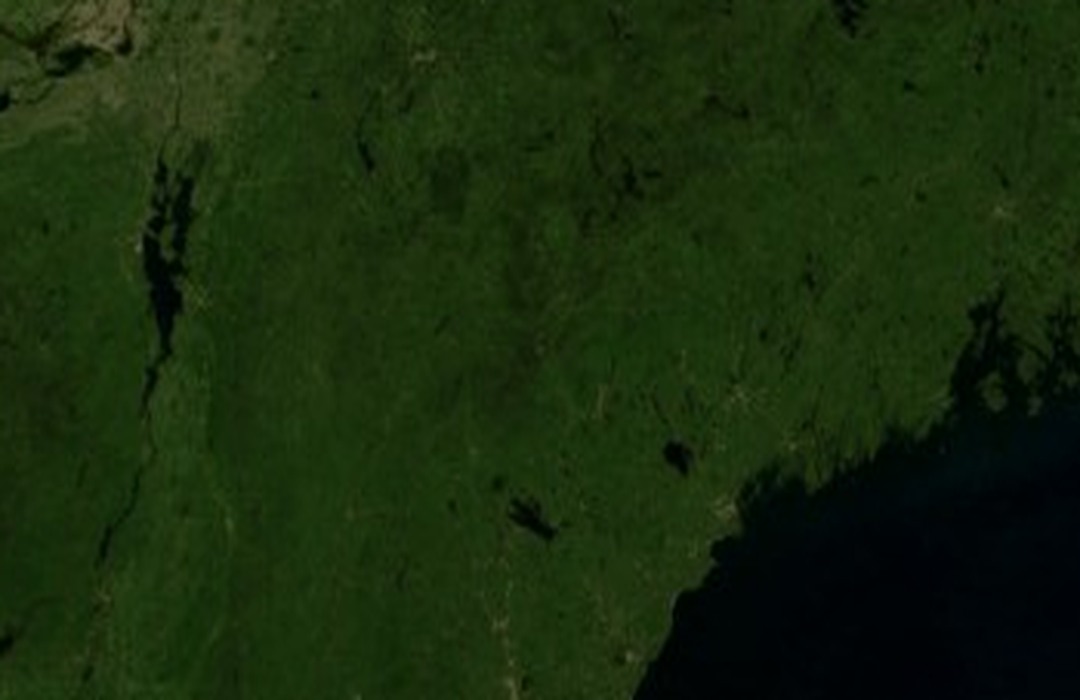
The observatory describes a strong pressure gradient across the White Mountains, with lower pressure to the west and southwest and higher pressure toward the Canadian Maritimes. Pressure differences help accelerate air, while rotation, friction and mountain terrain shape the resulting flow. A summit exposed above much surrounding terrain can sample winds that are very different from those in a nearby sheltered valley.
An anemometer does not turn moving air directly into an unquestionable number. Its response must be converted into speed, and icing can interfere with that response. The observers’ repeated timing illustrates a basic scientific habit: preserve the raw evidence and check an unexpected result rather than relying only on the final rounded value. Modern automatic instruments perform different processing, but calibration and exposure still matter.
Basis: Mount Washington Observatory [1] · Mount Washington Observatory [2]
What the evidence does not establish
The 231 mph measurement was a world record at the time and was later exceeded elsewhere; this account does not present it as the current global maximum. It is a summit gust under a particular instrument procedure, not the wind experienced throughout New Hampshire. The historical maintenance story is descriptive evidence, not an instruction for present-day observation in extreme conditions.
Read an extreme wind value together with its duration, exposure and instrument history; the credibility of the measurement is part of the weather story.
Sources & provenance
- Remembering the Big Wind Mount Washington Observatory · 2023 anniversary retrospectiveReference only; original paraphrase; no source media reproduced.
- Mount Washington Weather Archives Mount Washington Observatory · Publication date not stated; retrospective event accountReference only; original paraphrase; no source media reproduced.
Explanations and diagrams are original educational interpretations. Source institutions have not endorsed or reviewed this publication. How we distinguish evidence from models.